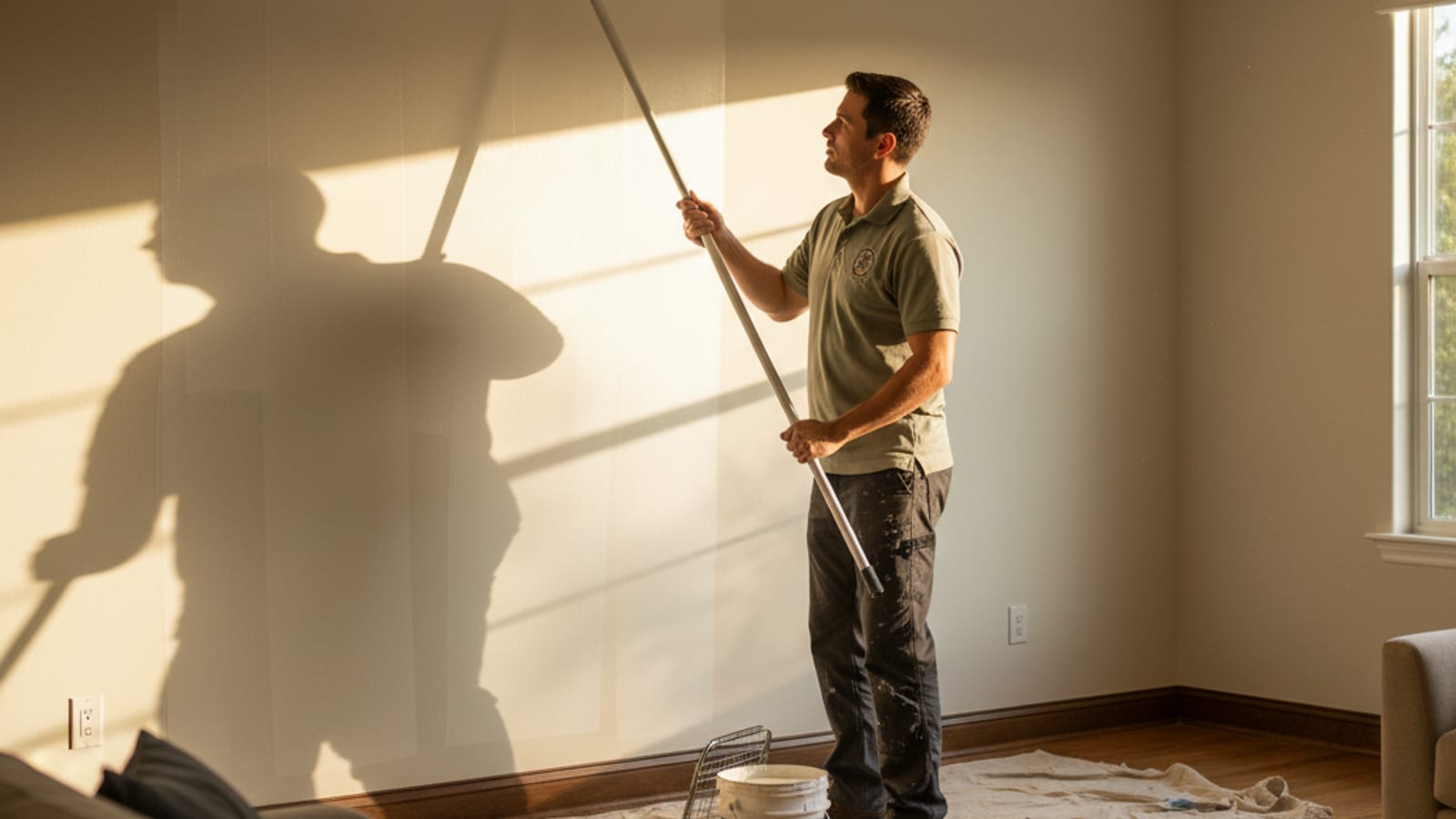
The most common answer homeowners get when they ask how long painting will take is “depends.” That’s not wrong, but it’s not useful. Here’s a more concrete guide to interior painting timelines, broken down by room type, prep requirements, and what’s different about painting in San Diego’s climate.
The hidden time factor: preparation
Painting itself is often the fastest part of the job. What takes the most time is everything before the first roller stroke.
Proper prep includes:
- Moving or covering furniture
- Removing switch plates, outlet covers, and hardware
- Filling holes and dings with spackle and letting it dry
- Sanding patched areas smooth
- Wiping walls with a damp cloth to remove dust and grease (especially around kitchens)
- Taping edges at trim, ceiling, and transitions
Skipping any of these steps produces a result that looks rushed. The paint pulls off with the tape, bleeds under edges, or shows every imperfection it was painted over.
Preparation time depends on the furniture, hardware, repairs, cleaning, masking, and finish boundaries in the actual room. Put those tasks in the schedule instead of relying on a standard room allowance.
Room-by-room scheduling factors
Bedroom: Record whether the room is empty, which walls are included, and whether closets, ceiling, trim, doors, repairs, primer, and multiple colors belong in the scope.
Bathroom: Fixtures, tile transitions, ventilation, existing moisture concerns, and product cure requirements can make a small room take more steps than its wall area suggests.
Kitchen: Cabinets, backsplashes, appliances, grease or residue, switches, and several finish boundaries can add preparation. Use a cleaner approved for the selected coating system and follow its label.
Living room or family room: Ceiling height, broad walls, windows, fireplaces, built-ins, furniture, and connected spaces affect access and stopping points.
Full house: The schedule should show room order, occupied versus empty areas, repair and primer stages, product recoat times, crew size, access, and the final walkthrough. Adding painters does not divide every stage evenly.
How San Diego’s climate affects drying time
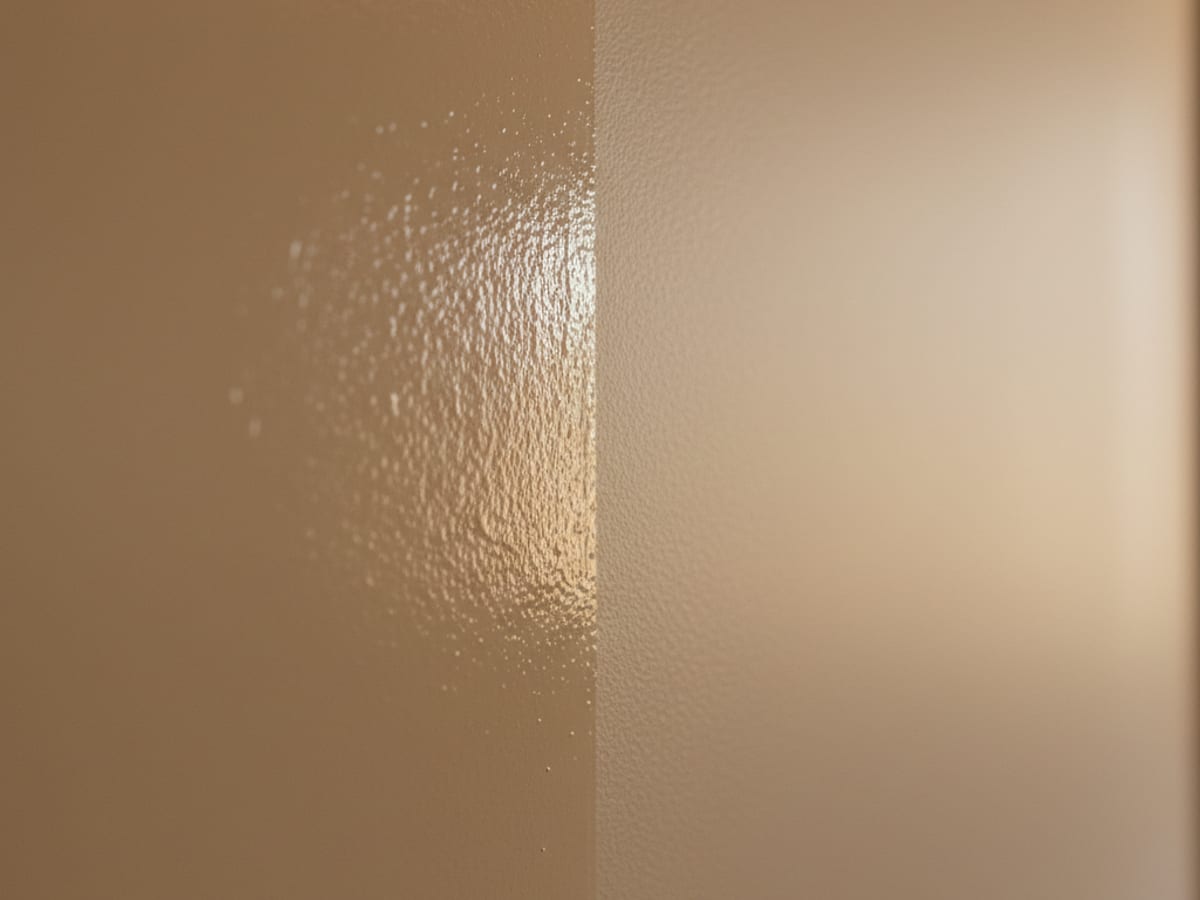
Dry-to-touch, recoat, and cure are different milestones. Follow the selected product’s current technical data sheet for those times. Humidity, temperature, substrate, and coating type can change drying.
Humid conditions can extend dry and recoat time. Measure the room conditions and follow the selected product’s data sheet rather than scheduling from a neighborhood or time-of-day rule.
Dry or windy conditions can also affect application. Follow the product specification for temperature, humidity, ventilation, and application method.
Surface condition determines whether cleaning, repair, or primer is needed. Inspect the actual interior wall and trim instead of assigning a primer from coastal location alone.
Product choice: Select sheen from the room use, surface condition, desired appearance, cleaning needs, and the manufacturer’s recommended applications.
Professional vs. DIY: where the time difference really shows
A professional painter is faster not because they rush, but because their muscle memory is better and they make fewer mistakes. The time difference between a skilled painter and a careful first-timer shows most clearly in:
- Cutting in at edges. Clean lines at ceiling and trim without tape take years to develop. With tape, the same result takes much more time.
- Roller technique. Avoiding lap marks, maintaining a wet edge, and loading the roller correctly matter. A bad roller technique produces a streaky finish that requires a third coat to cover.
- Cleanup. A pro’s cleanup is often faster because they manage drips and overspray as they go rather than letting them dry.
For a single bedroom, a careful DIY painter and a pro might not differ much in final cost when you factor in supplies. For a full house, the time difference becomes significant.
Fix Pro San Diego matches homeowners with independent local pros. Call (858) 400-4611 and the matched pro can inspect the rooms, define the prep, and provide the quote and schedule directly.
Would you rather hand this one to a pro than do it yourself? Call (858) 400-4611.
Request a quote