There’s a certain satisfaction in fixing something yourself. You save money, you learn a skill, and you get to say you did it. But there’s also a certain frustration in spending your whole Saturday on a repair that looks worse than when you started, or worse, calling a pro to undo the damage from a DIY attempt gone wrong.
The line between “I can handle this” and “I should probably call someone” isn’t always obvious. Here’s how to think through it honestly.
The projects most homeowners can tackle safely
For most basic repairs, if you can follow instructions carefully and you have the right tools, you can do it.
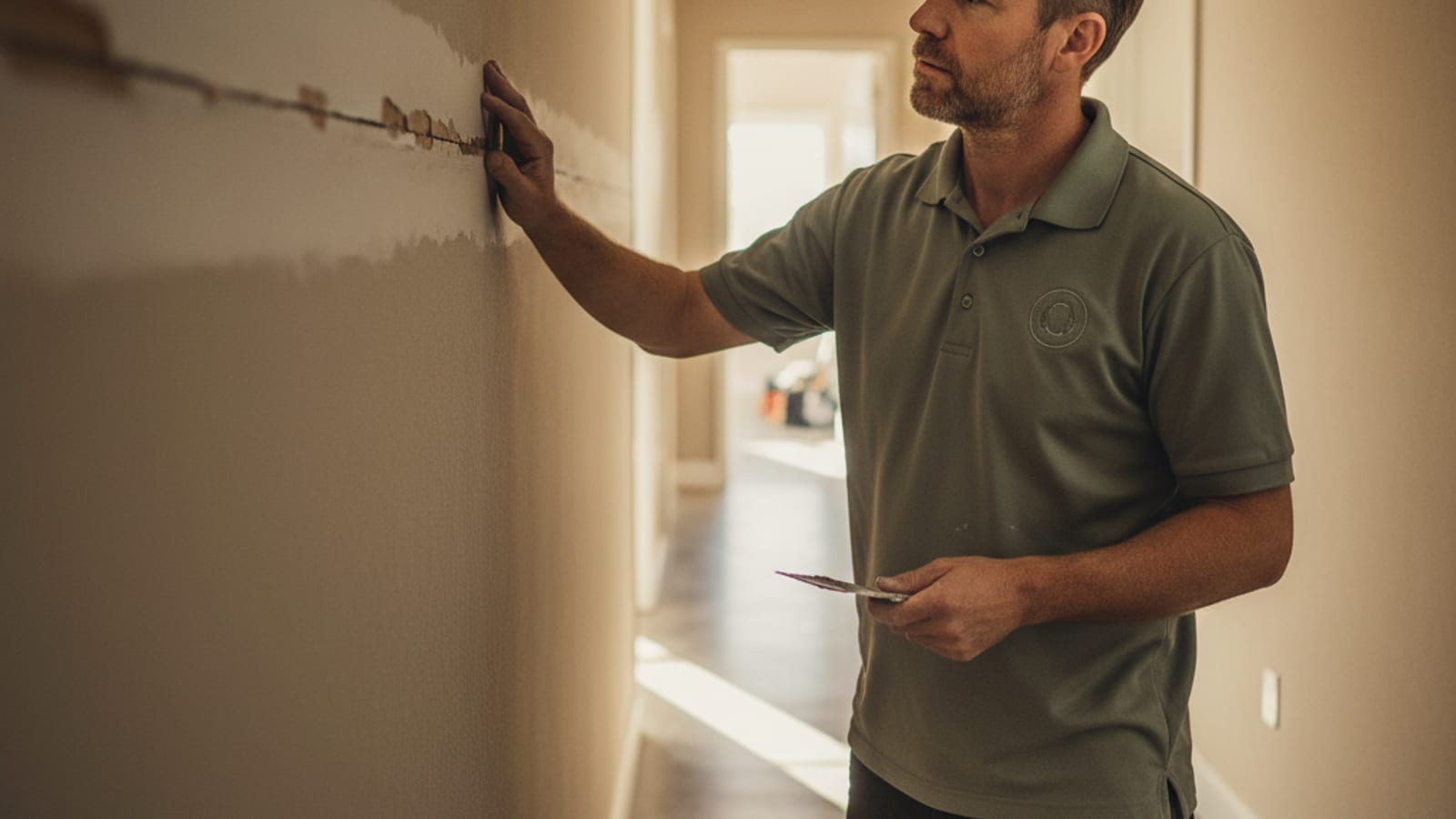
Drywall patching, small holes from picture hooks, doorknob dings, or minor damage are genuinely DIY-friendly. A patch kit from the hardware store, some joint compound, and a bit of patience gets most homeowners to a passable result. The hard part is texture matching, especially if your walls have a skip trowel or orange peel finish. Getting that right takes practice.
Caulking, recaulking a tub surround or the exterior trim around a window is a manageable weekend task. The prep work (removing the old caulk completely) takes longer than most people expect, but it’s not complicated. Silicone caulk in bathrooms, paintable acrylic latex for interior trim.
Touch-up painting, if you have the original paint, touching up scuffs and small patches is straightforward. If you don’t have the original paint, color matching at a hardware store gets you close but rarely a dead match on older walls with any fading.
Basic furniture assembly, IKEA wardrobes, flat-pack bookshelves, bed frames. The instructions exist. Most adults can follow them with time and a decent screwdriver.
Hanging shelves and lightweight fixtures, if you can find a stud, a wall anchor, or you’re comfortable with toggle bolts, this is manageable. The risk goes up with heavy shelves loaded with books or a TV that’s significantly larger than you’ve mounted before.
Projects where DIY gets people into trouble
Some jobs look simple until they aren’t.
Large drywall repairs, cutting out and replacing a section of drywall, blending a large patch into existing texture, or repairing water-damaged areas that may have underlying mold or structural issues. The texture blending alone can turn a repair into a full repaint of the entire wall.
Door planing and adjustment, a sticking door sometimes just needs the hinge screws tightened. But if it’s a settling issue (which is common in San Diego homes built on clay soil), you can take off too much material and create a gap on the other side. Once you’ve planed wood off, it doesn’t go back.
Tile repairs, grouting a few tiles is doable. Removing cracked tiles without cracking the surrounding ones takes specific technique. And if the substrate underneath has failed, you’re dealing with a demo and re-set job.
TV mounting on stucco walls, if your home has stucco exterior walls that continue as interior walls (common in older San Diego construction), drilling and anchoring into stucco requires a hammer drill and the right anchor hardware. Wrong anchors on a heavy TV is a bracket-in-the-floor situation.
The cost of a failed DIY attempt
This is the calculation most people don’t make before they start: what does it cost if this goes wrong?
For a small drywall patch, a bad outcome is a lumpy wall and a wasted afternoon. You can sand it down and try again.
For a door you’ve planed too much, the cost is a replacement door slab plus installation. Ask the quoting professional for that number in writing.
For a TV mount that pulls out of the wall because you used the wrong anchors, the cost is a TV, a drywall repair, and possibly some floor damage.
For a water leak you tried to fix yourself and didn’t fully seal, the cost can be mold remediation and structural repairs that dwarf the original caulk job.
Tip: A useful rule of thumb, if the repair requires cutting into anything (drywall, tile, wood), or if a bad outcome would be expensive to reverse, get a quote first. Do not treat a free estimate as a Fix Pro policy.
When to stop mid-project
Starting a job and realizing you’re in over your head is common. Independent professionals quote unfinished DIY work as a new ticket after they see what is already open.
Signs you should stop:
- You’ve discovered unexpected damage (water stains, rot, mold, aluminum wiring)
- The repair keeps expanding, you removed one tile and three more cracked
- You’re not sure what you’re cutting into
- The work requires permit documentation that you don’t want to leave undone
Stopping and calling someone is not failure. It’s knowing your limits.
What to look for in a handyman
If you decide to call someone, a few things matter. They should be able to give you a flat-rate or not-to-exceed quote before starting. They should stand behind the work in writing. And they should be straightforward about whether your job requires a specialty trade.
Some work, electrical panel upgrades, load-bearing structural work, permits for additions, needs a specialty trade or general contractor. A reputable handyman will tell you when a job is outside their scope. A disreputable one will take your money and leave you with work that fails inspection.
Fix Pro San Diego matches homeowners with independent local professionals for drywall, painting, carpentry, mounting, door and window work, tile, caulking, pressure washing, and similar punch-list work. Fix Pro San Diego does not perform the repairs. If you’re not sure whether your repair is a DIY job or something you’d rather hand off, call (858) 400-4611.
Would you rather hand this one to a pro than do it yourself? Call (858) 400-4611.
Request a quote