How to fix a sticking door
A door can stick because of loose hinges, seasonal movement, paint buildup, a shifted frame, or a damaged door. Diagnose the contact point before removing material.
What you'll learn
- How to find exactly where the door is binding
- How to check hinges and stop if a screw is spinning or the door is fire-rated
- Why removing door material is a last resort, not the first fix
- When a sticking door is a symptom of a frame or building-movement issue
Step by step
- 1. Open the door and inspect each hinge leaf, pin, and screw. Lift the latch-side edge gently while watching for movement. Tighten loose screws by hand so you can feel when they seat and avoid stripping the wood.
- 2. If a screw spins, stop tightening. A lightly used interior wood door may accept a manufacturer-approved wood repair and a properly sized screw. Heavy, exterior, security, and fire-rated doors need hardware and repairs that preserve the tested door assembly.
- 3. Do not replace every hinge screw with a universal long screw. Follow the instructions for your door, hinge, fastener, and framing so a long screw does not pull the frame out of square or strike a hidden utility.
- 4. Close the door slowly and compare the gaps around the top and sides. Mark the exact rub with pencil or use a strip of paper to locate a tight spot. Also check whether the latch and strike are misaligned before sanding the slab.
- 5. Correct a loose hinge or adjustable strike first. If the frame is twisted or out of square, the fix may require shimming and refastening rather than removing door material.
- 6. Plane or sand only a suitable, non-rated wood door after checking the door maker's limits. Take a minimal amount from the confirmed contact area, test often, and refinish any exposed edge as required. Many exterior fiberglass and steel doors must not be trimmed. Altering a rated or exterior door can void the warranty and the tested assembly.
- 7. Rehang the door and test the entire swing, latch, and clearance. If several openings changed together, cracks are widening, or the door still shifts in the frame, have the building movement or frame diagnosed instead of removing more door material.
Check the hinge edge for a fire-rating label before drilling, planing, or changing hardware. Rated doors depend on a tested assembly, and alterations can affect that rating. Ask the door manufacturer, building official, or a qualified door professional when the label or approved repair is unclear.
Prefer a matched pro to handle it
We match you with an independent local handyman in San Diego County.
More DIY guides
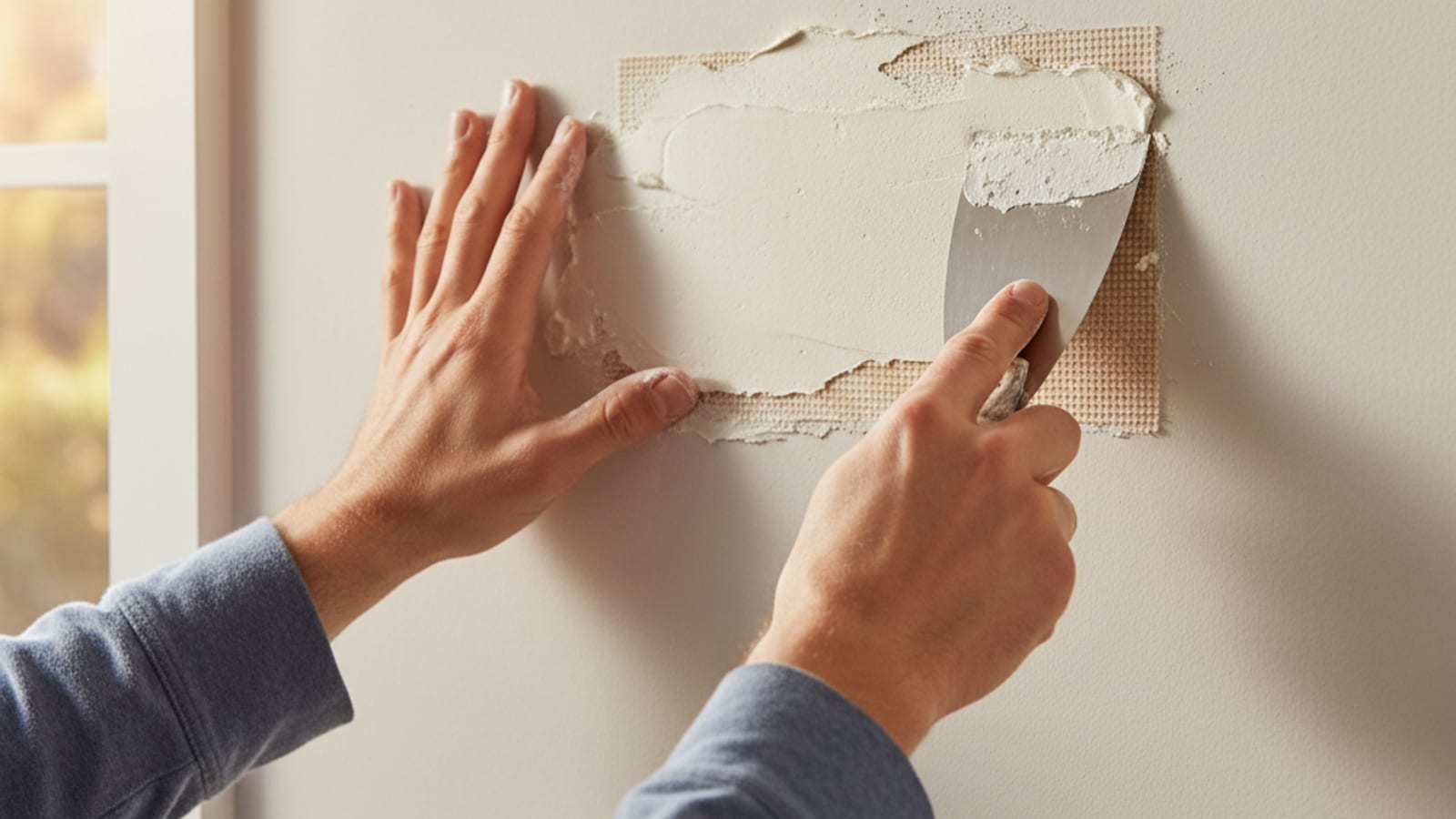
How to patch a small drywall hole
A nail hole or minor anchor pull-out is a manageable repair when the drywall is dry and sound. The patch method and compound both depend on the size and condition of the opening.
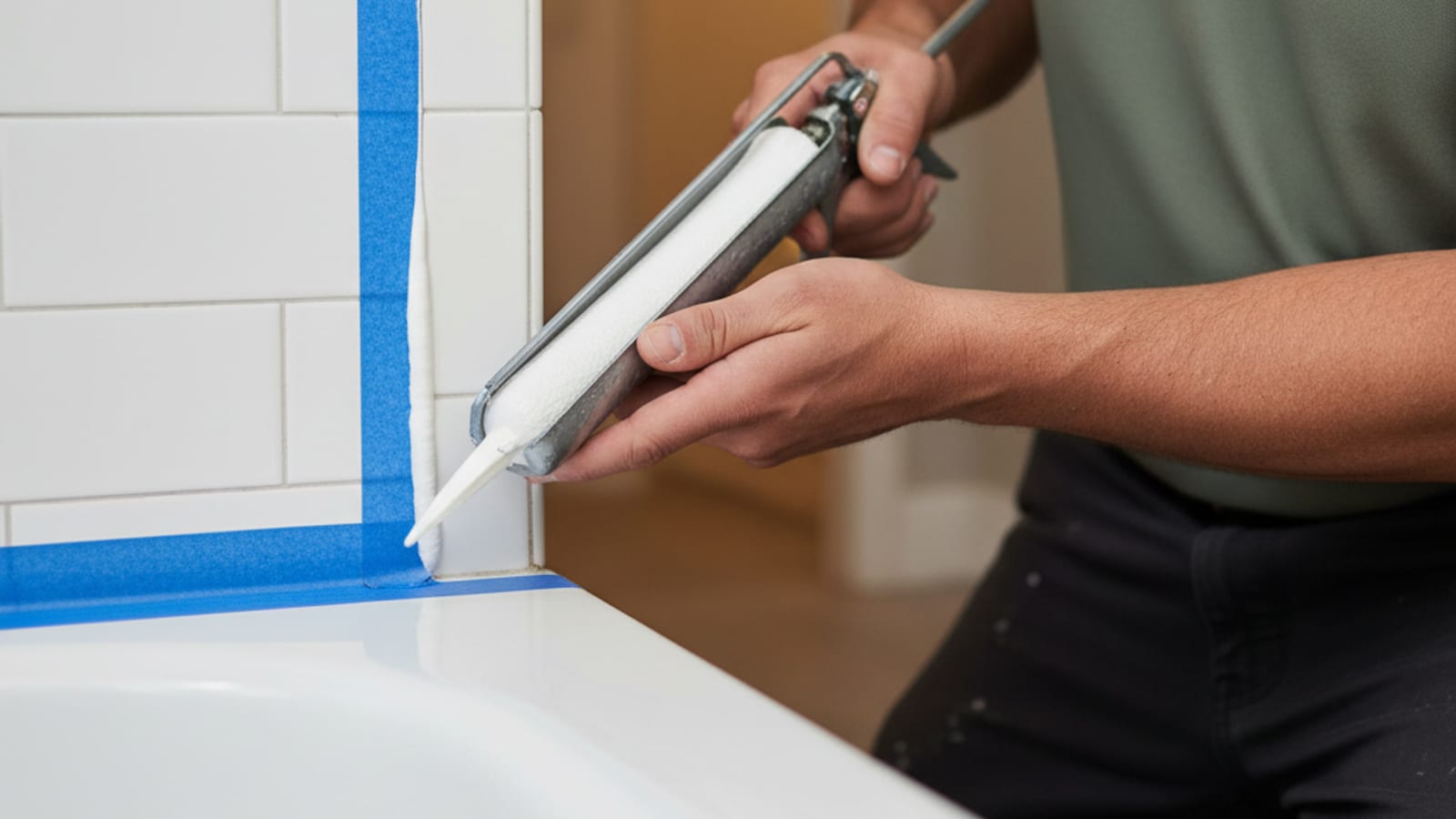
How to re-caulk your bathtub
Cracked or separated caulk can let water into the tub surround. A durable replacement starts with the sealant label, a clean joint, and enough dry time for the specific product.
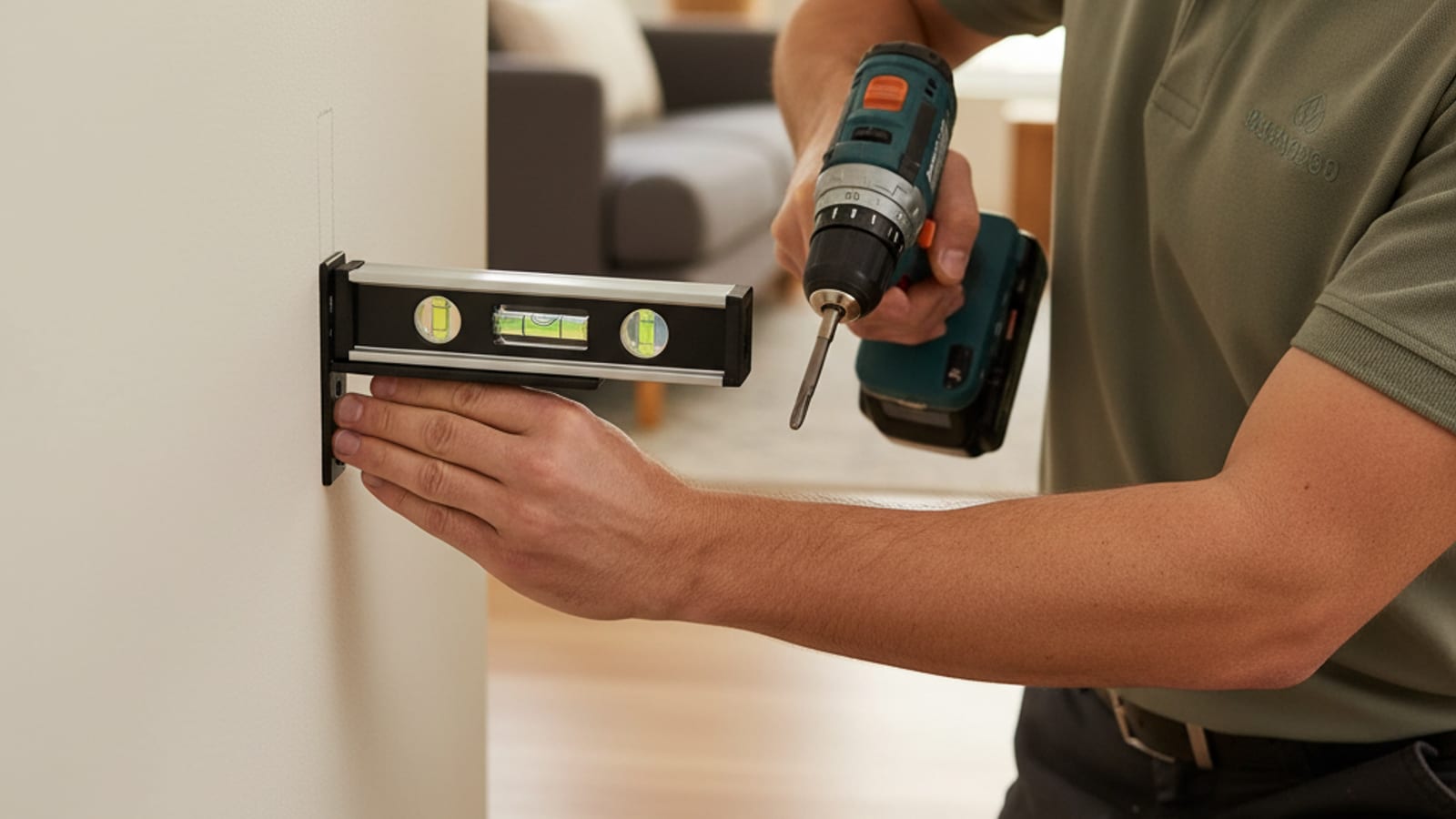
How to hang a heavy shelf on drywall
A loaded shelf is only as strong as its wall, brackets, fasteners, and installation. Use studs when the shelf or its contents are heavy, valuable, or likely to be pulled or bumped.