How to hang a heavy shelf on drywall
A loaded shelf is only as strong as its wall, brackets, fasteners, and installation. Use studs when the shelf or its contents are heavy, valuable, or likely to be pulled or bumped.
What you'll learn
- How to scan for studs without treating one reading as proof
- How anchor ratings depend on the exact product and wall assembly
- How to mark brackets level before drilling
- How to verify the installed shelf without using your body weight
Step by step
- 1. Add the shelf, brackets, and everything you expect to store. Consider the lever arm as well as the weight: a deep shelf and objects near its front edge pull harder on the upper fasteners. Use the shelf and bracket maker's mounting requirements.
- 2. Scan for framing in both directions and mark the indicated edges or center according to the scanner instructions. A scanner reading is not proof of wood, and it is not a drilling depth. Wall thickness, texture, moisture, metal, pipes, and wiring can affect readings.
- 3. Confirm a safe fastening location using more than one clue, such as repeated scans, known stud layout, and nearby fastener patterns. Check for plumbing and electrical risks before drilling. Do not assume every resistance change is a stud.
- 4. Position brackets according to the shelf manufacturer rather than a universal spacing rule. Mark all holes, check the shelf line with a level, and confirm that each fastener location matches the mounting plan.
- 5. Into wood framing, use the pilot hole and structural fastener specified for the bracket. In hollow drywall, use only an anchor whose manufacturer lists the exact wall material, panel thickness, fixture thickness, load direction, hole size, clearance, and screw. Anchor ratings are not interchangeable, and capacities cannot simply be multiplied without considering spacing and the wall condition.
- 6. Install each anchor exactly as directed and tighten only to the stated limit. Anchor makers publish different gypsum-board loads for different models and board thicknesses. That is why a generic pounds-per-anchor rule is unreliable.
- 7. Check that the brackets sit flat, every fastener is snug, and the shelf is level. Load the shelf gradually with known weight while watching for rotation, cracking, or movement. Do not hang or push on it with your body weight.
Use framing or a mounting system designed for the job when the shelf is overhead, holds fragile or valuable items, or could be climbed or pulled by a child. CPSC advises securing furniture and TVs according to manufacturer instructions. Damaged, damp, or crumbling drywall cannot deliver the anchor maker's published performance.
Prefer a matched pro to handle it
We match you with an independent local handyman in San Diego County.
More DIY guides
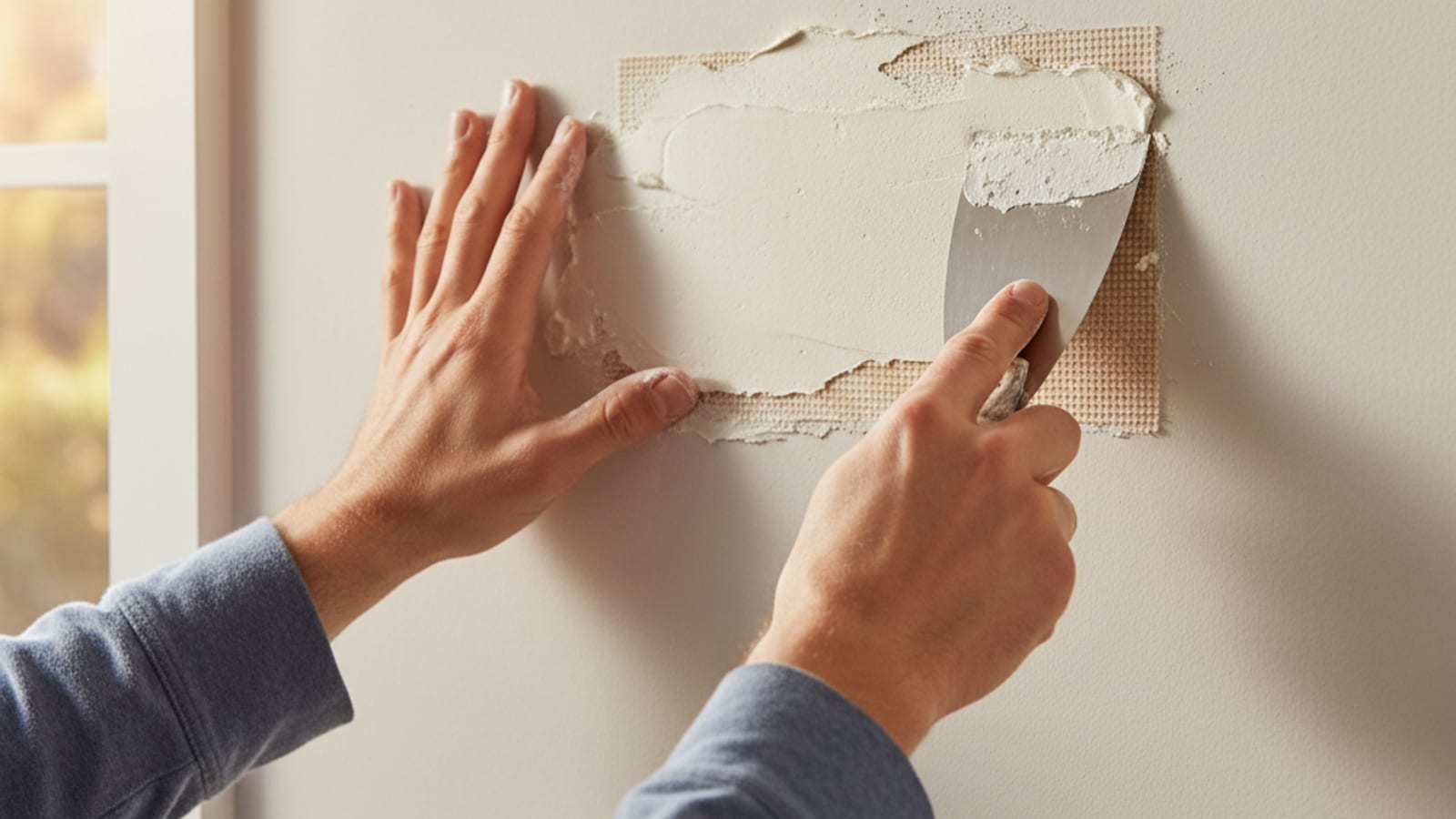
How to patch a small drywall hole
A nail hole or minor anchor pull-out is a manageable repair when the drywall is dry and sound. The patch method and compound both depend on the size and condition of the opening.
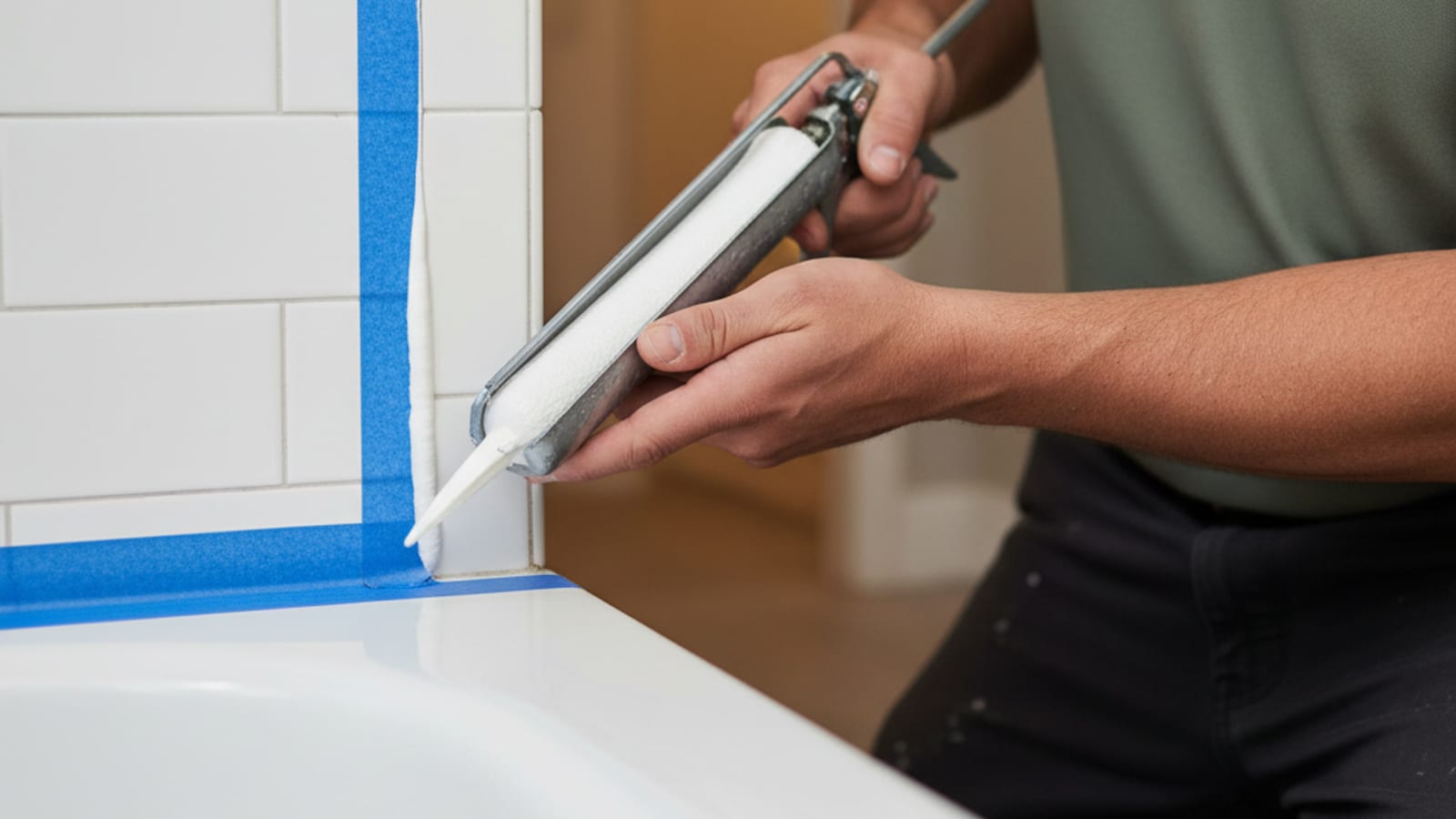
How to re-caulk your bathtub
Cracked or separated caulk can let water into the tub surround. A durable replacement starts with the sealant label, a clean joint, and enough dry time for the specific product.
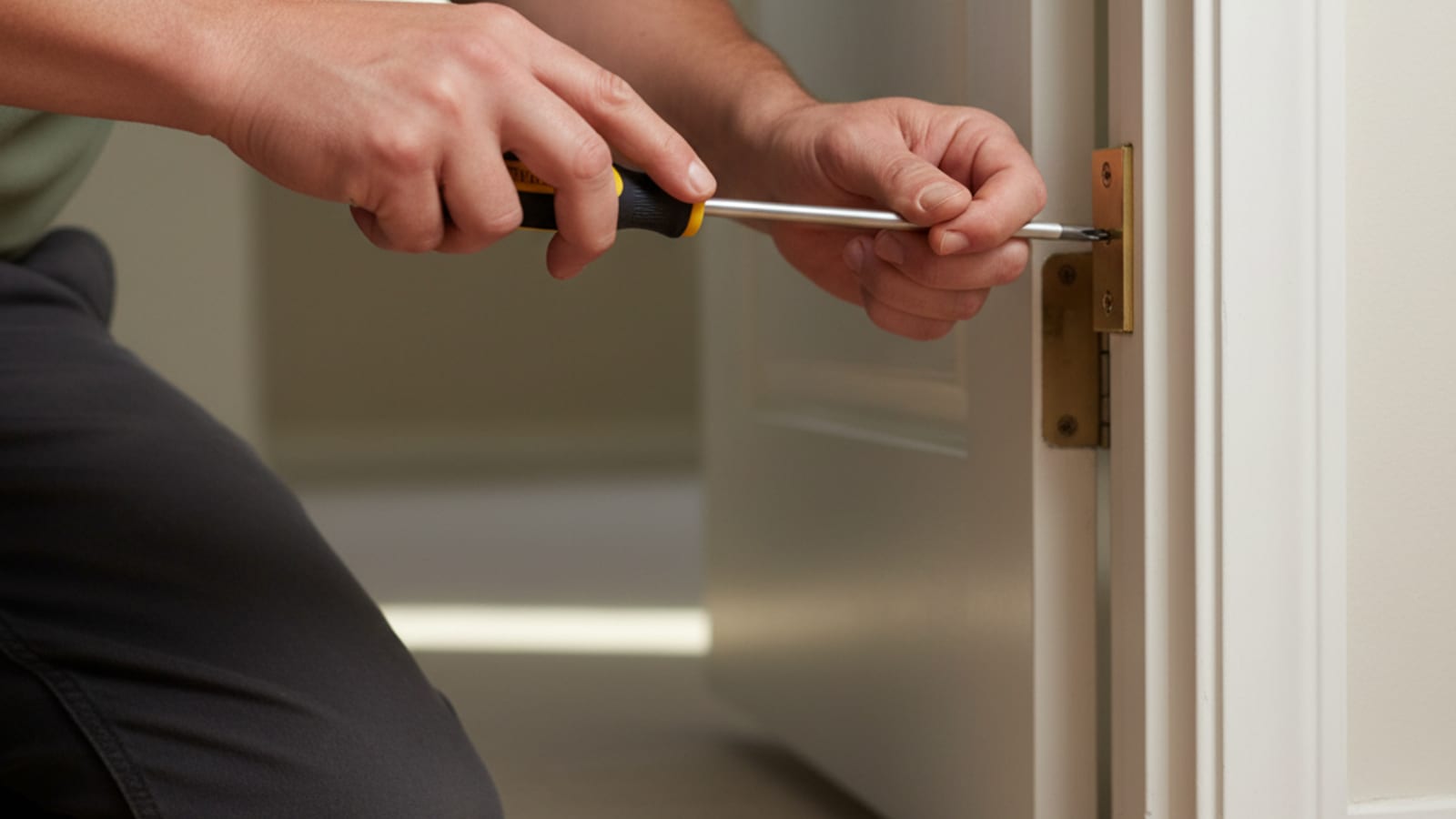
How to fix a sticking door
A door can stick because of loose hinges, seasonal movement, paint buildup, a shifted frame, or a damaged door. Diagnose the contact point before removing material.