How to patch a small drywall hole
A nail hole or minor anchor pull-out is a manageable repair when the drywall is dry and sound. The patch method and compound both depend on the size and condition of the opening.
What you'll learn
- How to assess the opening and choose a suitable patch method
- How to apply joint compound in thin coats without ridges
- How to sand and feather the edges for a flat finish
- Why texture matching matters, and when to stop and call a pro
Step by step
- 1. Inspect the area. Patch only dry, firm drywall. If the panel is soft, stained, moldy, or still damp, find and correct the moisture source before closing the wall.
- 2. Choose the repair by the opening and the product instructions. Small dents and holes can be filled with patching compound. A mesh patch can bridge some medium openings. A California patch is a fitted piece of drywall that keeps a paper face flange around it; it is not the same as a repair fastened to a separate backer board.
- 3. Trim loose face paper and crumbled gypsum, then wipe away dust. Do not enlarge a sound opening just to fit an arbitrary size category.
- 4. Apply patching or joint compound in thin coats with a clean knife. Cover the repair and feather each coat beyond the previous edge rather than leaving a thick mound.
- 5. Follow the compound label for set and dry times. They are different: a setting-type compound can harden on a different clock than a ready-mixed compound. Cooler, damper, or thicker applications can take longer. Sand only when the coat is dry.
- 6. Remove ridges gently with the abrasive the compound maker lists. Avoid sanding through the drywall face paper or exposing the patch.
- 7. Add another thin coat if the edge or fastener still shows. When the repair is fully dry and dust-free, prime the patched area before applying the matching wall paint.
Stop if the opening exposes wiring, plumbing, widespread mold, or material that may contain asbestos. Do not sand older joint compound or texture if asbestos is possible. A patch should not conceal an active leak or an unsafe wall cavity.
Prefer a matched pro to handle it
We match you with an independent local handyman in San Diego County.
More DIY guides
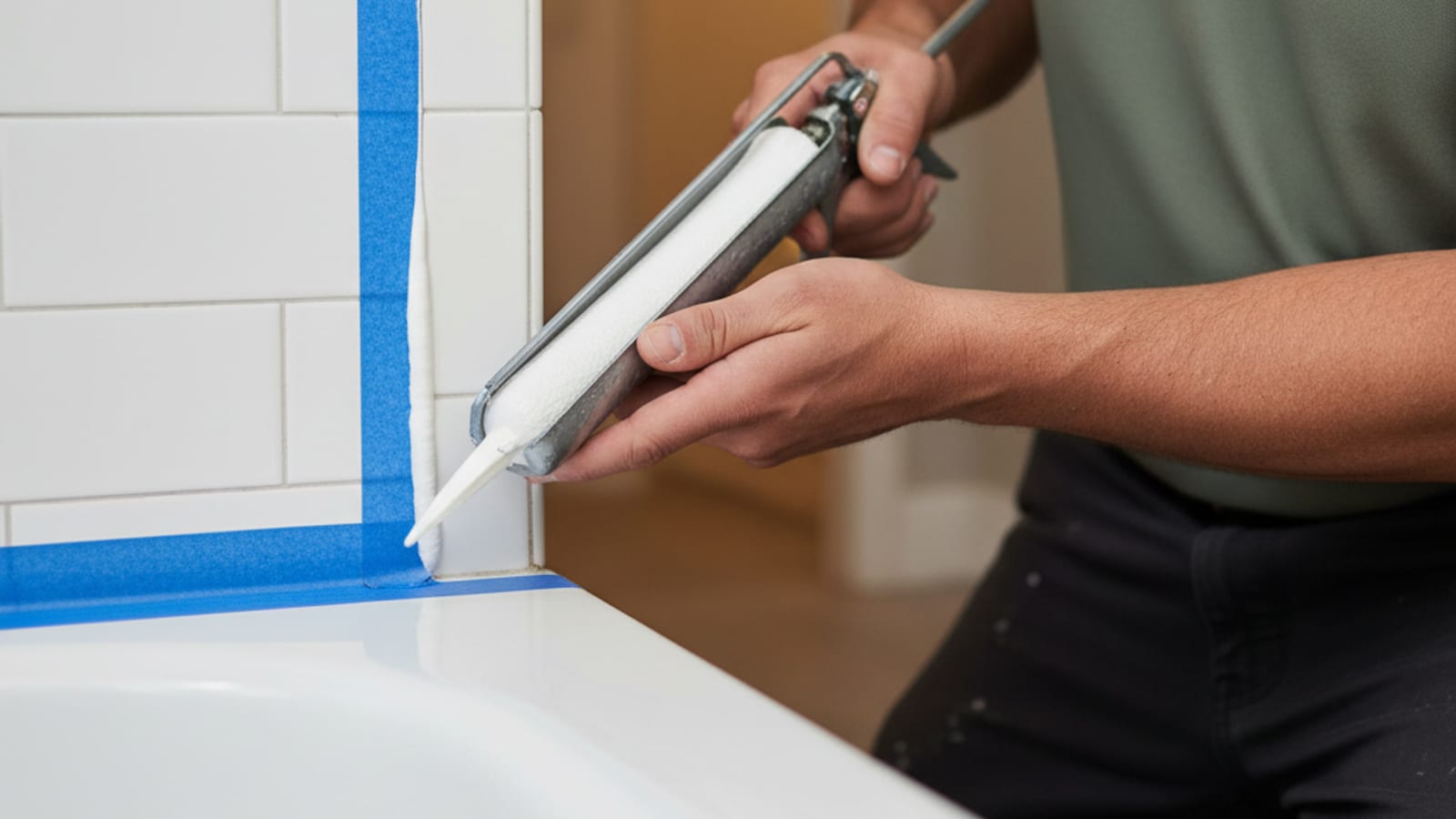
How to re-caulk your bathtub
Cracked or separated caulk can let water into the tub surround. A durable replacement starts with the sealant label, a clean joint, and enough dry time for the specific product.
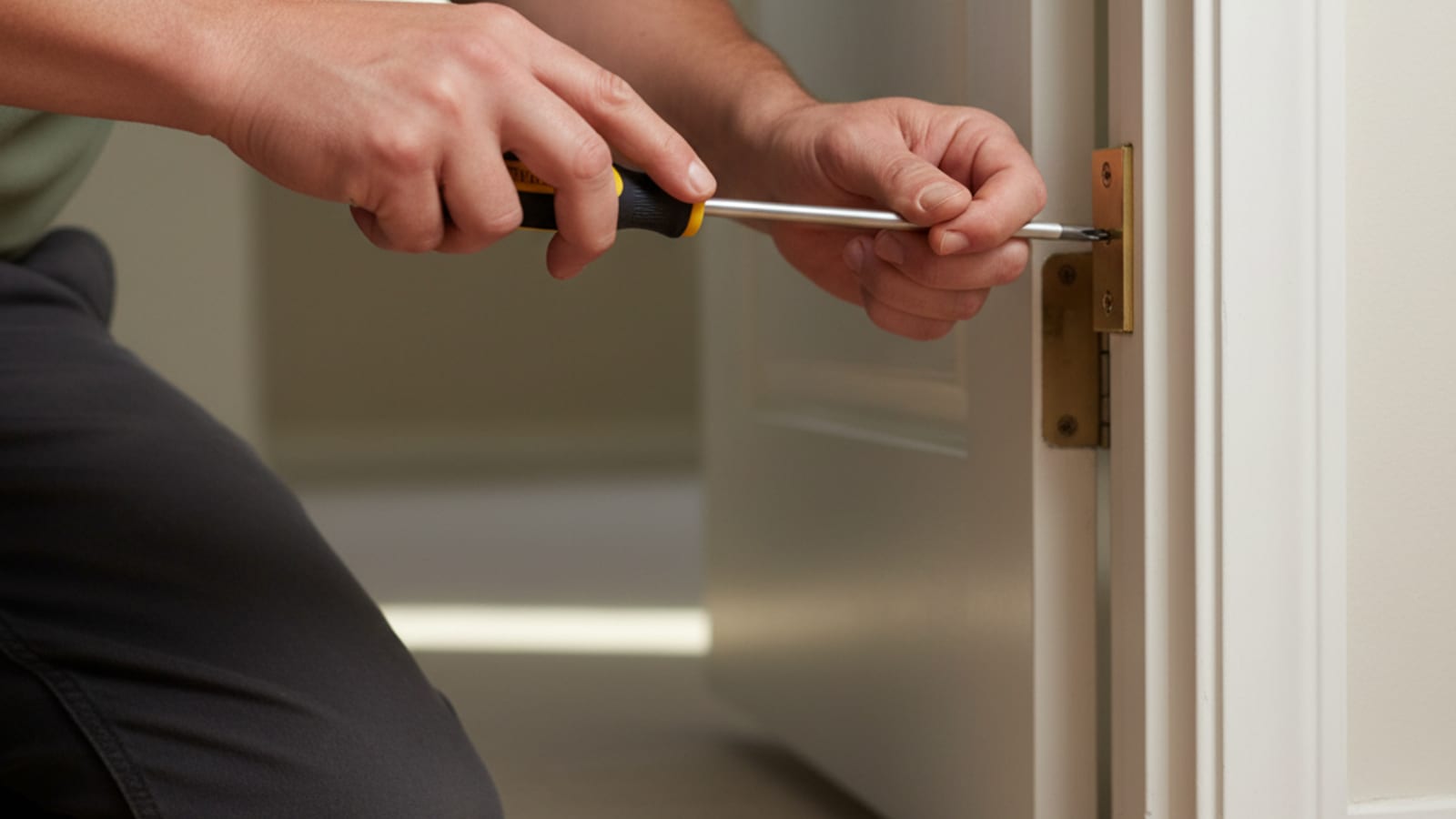
How to fix a sticking door
A door can stick because of loose hinges, seasonal movement, paint buildup, a shifted frame, or a damaged door. Diagnose the contact point before removing material.
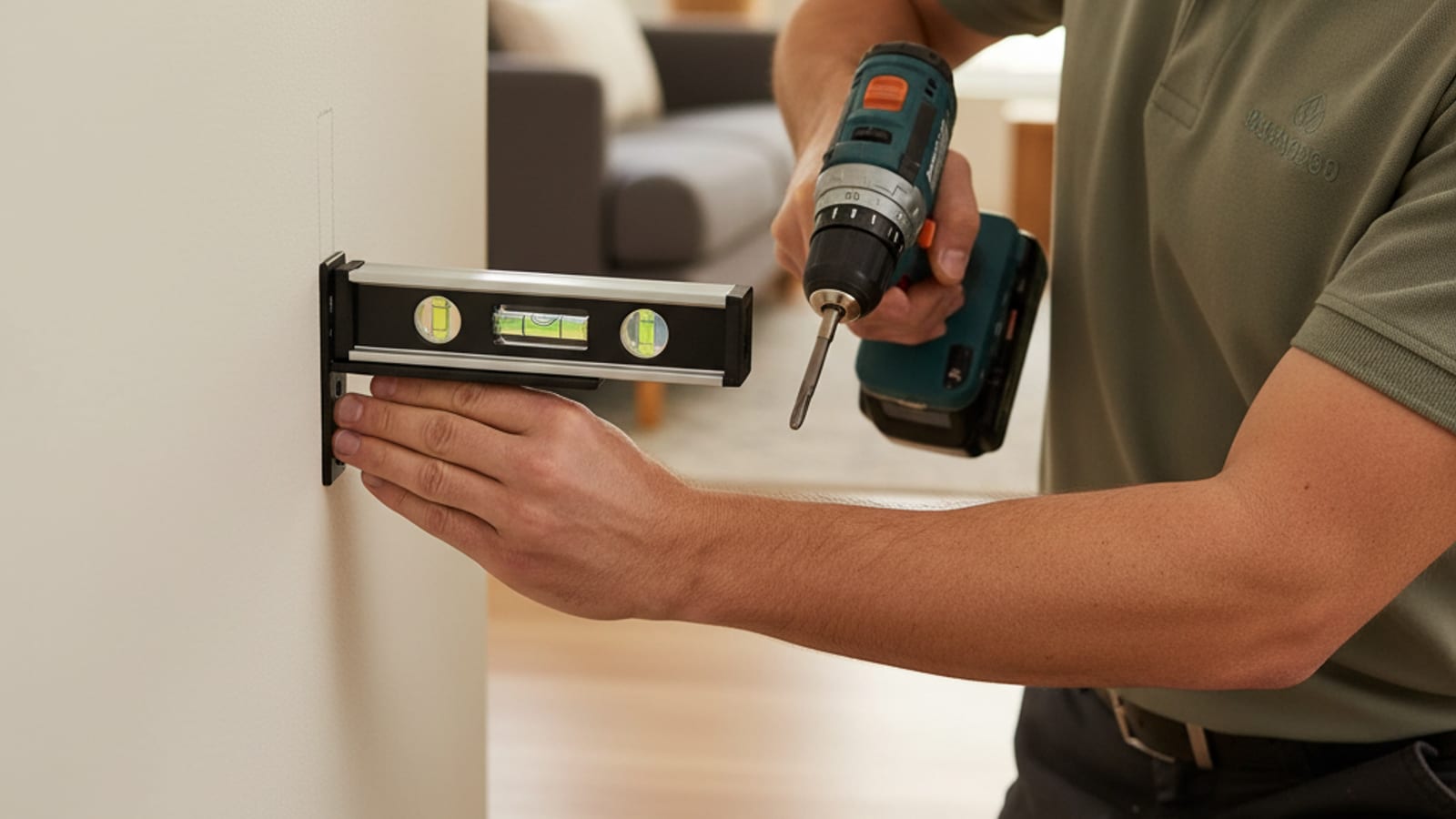
How to hang a heavy shelf on drywall
A loaded shelf is only as strong as its wall, brackets, fasteners, and installation. Use studs when the shelf or its contents are heavy, valuable, or likely to be pulled or bumped.