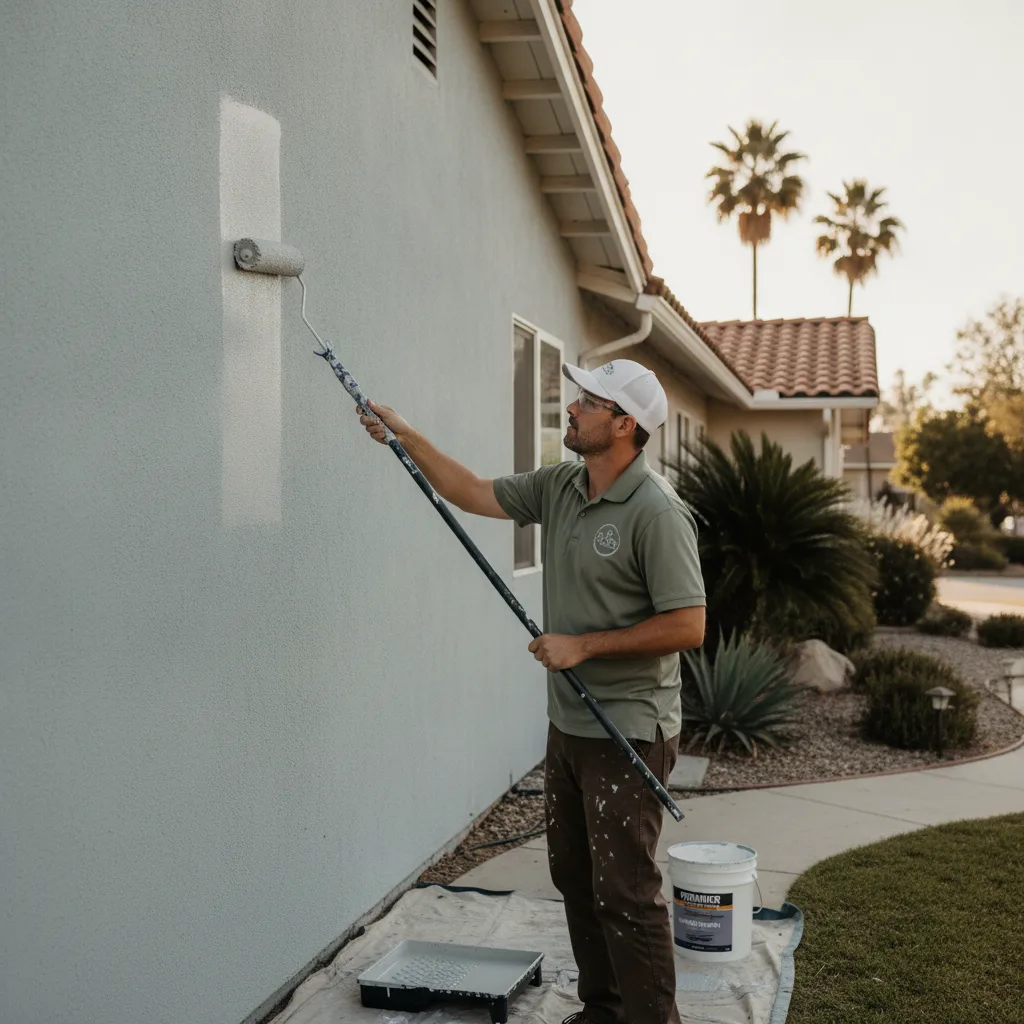
There is no universal San Diego exterior-painting average. The quote depends on paintable surface area, stories, cladding, existing condition, access, repairs, coating system, colors, and finish boundaries.
How much does exterior house painting cost in San Diego?
Exterior painting is quoted by the home’s paintable surface area, not its floor plan, so two 2,000-square-foot homes can price very differently. A flat, single-story stucco box paints fast. A two-story home with wood trim, eaves, shutters, and railings has far more surface and detail, so it costs more even at the same square footage.
Ask each painter to measure or state the paintable area and identify the number of stories, access method, prep, repairs, primer, coating product, coat count, colors, trim, doors, protection, and cleanup. Floor area alone does not provide a comparable painting scope.
What drives the exterior painting price?
Four things move the number more than anything else.
Surface area and stories. More wall means more paint and more labor. A second story also means scaffolding or ladder work, which is slower and adds a safety premium.
Cladding type. Stucco soaks up more paint than smooth siding, but it’s quick to spray. Wood and fiber-cement siding need more careful brushing and cutting in, so labor climbs.
Prep condition. Peeling paint, chalky surfaces, cracks, and wood rot all add hours before any color goes on. Prep is the single biggest swing in any quote.
Coating system and coats. Product prices and specifications vary by manufacturer, line, substrate, color, and date. Ask for the exact product and follow its technical data sheet for primer, application, coat count, and drying requirements.
Stucco vs wood siding: how San Diego homes differ
Stucco and siding need different preparation and application. The surface profile and porosity affect coverage. Use the selected coating manufacturer’s published coverage range and allow for the actual surface condition rather than applying a universal percentage.
Wood and fiber-cement siding cost more to paint well. Each board edge has to be cut in by hand, and old wood often needs sanding, spot-priming, and rot repair first. If your home has wood trim over stucco, which is common on San Diego ranch and Spanish-style homes, you’re paying for both surfaces. Ask the written quote to price each cladding separately.
If your stucco has open cracks or your siding has soft spots, handle the repairs before paint. Sealing those gaps is part of solid exterior paint prep, and a painter who skips it is selling you a coat that won’t last. Wood rot and loose trim are worth fixing through general home repairs before the crew arrives.
Coastal vs inland: why salt air changes the cost
Location inside the county matters more than people expect.
Coastal exposure can leave salt, chalk, mildew, or other contamination on an exterior. The selected coating manufacturer’s preparation instructions should determine cleaning, drying, primer, and application conditions. Do not choose a repaint interval from the ZIP code alone.
Inland homes in places like Poway, Escondido, and El Cajon deal less with salt but more with intense dry heat. The bigger issue there is surface temperature. Crews avoid painting in direct afternoon sun because hot stucco flashes the paint and weakens the bond. That can stretch the schedule but rarely changes the price much.
How much of the cost is prep?
Preparation can be a substantial part of an exterior job. Two quotes for the same house may differ because they describe different washing, scraping, repair, masking, and priming boundaries.
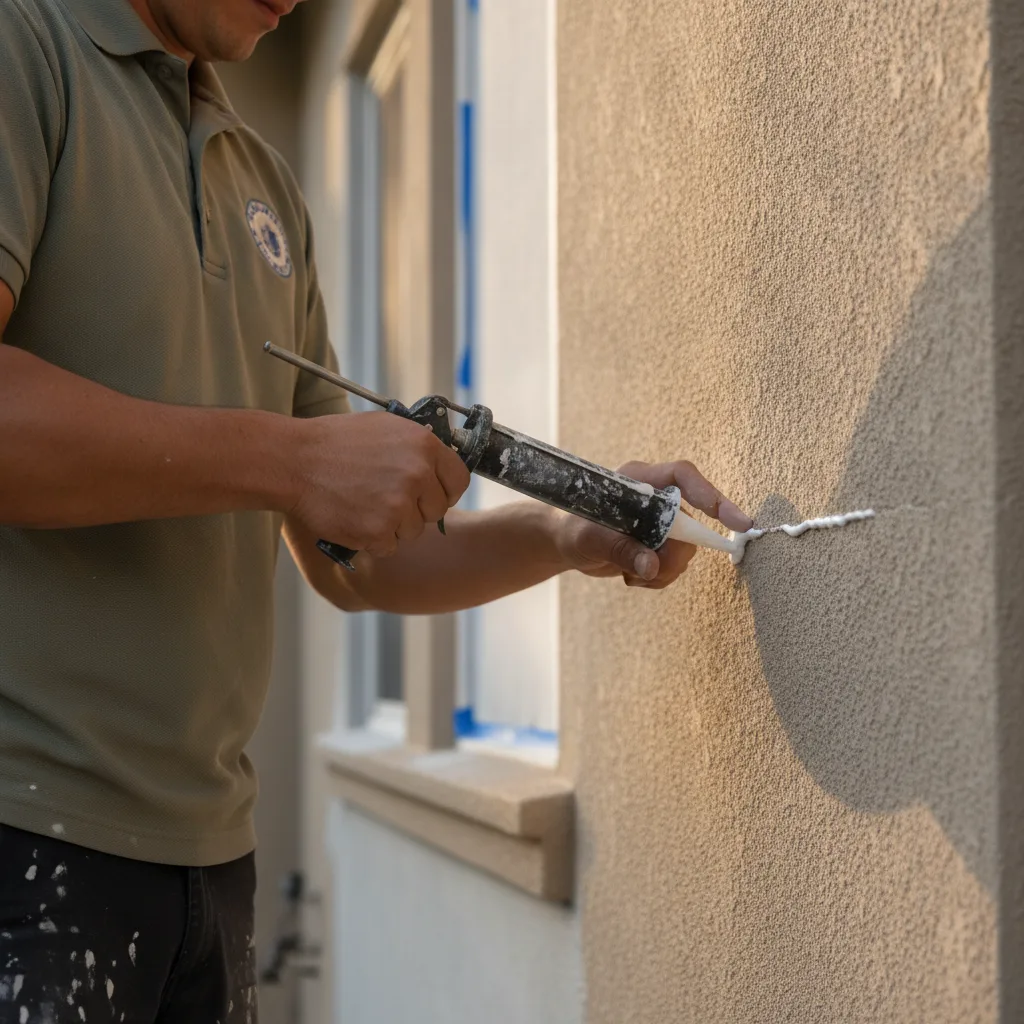
Good prep may include cleaning, scraping and sanding loose paint, filling compatible cracks and gaps, spot-priming bare or patched areas, and masking adjacent surfaces. The exact method should follow the substrate and selected product instructions. Ask whether pressure washing and caulking and sealing are included.
When a bid comes in far below the others, prep is almost always what got cut. Ask exactly what surface preparation is included before you compare prices.
What a good exterior painting quote includes
A clear quote protects you from surprise charges. Look for these line items spelled out:
- Square footage and number of coats
- Paint brand, line, and grade, plus primer
- Exactly what prep is included, washing, scraping, sanding, crack and caulk repair
- Trim, eaves, fascia, doors, shutters, and railings, listed or excluded
- Wood rot or stucco repair, included or quoted separately
- Cleanup, masking, and landscape protection
- Color count, since extra accent colors add labor
If a quote is one line and one number, ask the independent pro for a breakdown so you can see where the money goes.
DIY vs hiring a pro
A small, single-story home with sound stucco may be a realistic DIY exterior project for a capable homeowner working from an existing safe surface. Price the specified paint, primer, caulk, masking, waste, and current tool rental before comparing DIY with a professional scope.
The math changes fast on a two-story home. Ladder and scaffold work at height is where most homeowner exterior projects go wrong, and a fall is not worth the savings. Heavy prep, rot repair, and matching a sprayed stucco finish also reward experience. If the home is tall, the prep is heavy, or you want it done in a weekend instead of three, hiring out is the better call.
When repainting saves you money
Waiting too long costs more, not less. Once paint fails and bare stucco or wood is exposed, water gets in, and you move from a paint job to a repair job. Caught early, a repaint is straightforward. Caught late, you’re paying for crack repair, rot replacement, and sometimes drywall damage inside.
There is no single repaint interval for every San Diego home. Inspect the actual coating for chalking, fading, cracks, or lifting, and compare that condition with the coating manufacturer’s maintenance guidance.
Frequently asked questions
How much does it cost to paint a house exterior in San Diego?
There is no one San Diego average that applies to every house. Compare written quotes that use the same paintable area, surface condition, preparation, coating system, stories, access, trim, doors, and cleanup.
Is stucco cheaper to paint than siding?
The answer depends on the stucco or siding condition, profile, access, coating system, and application method. Ask each painter to explain the measured coverage and preparation for the actual surface.
How often should I repaint my home’s exterior in San Diego?
Follow the selected coating manufacturer’s maintenance guidance and inspect the actual surface. Exposure, preparation, substrate, product, color, and prior coats all affect service life.
Why are some exterior painting quotes so much cheaper?
The scopes may differ in measurement, access, preparation, repairs, primer, coating line, coat count, trim, and cleanup. Compare those items before judging the totals.
Does an exterior repaint include trim and doors?
It depends on the quote. Some painters include trim, eaves, fascia, and doors in the base price, and others list them separately. Always confirm what’s covered, since detailed trim and extra accent colors add labor and cost.
Ready for a quote?
Whether you have a small stucco ranch or a two-story home with heavy trim, ask the independent painting pro for the prep, coating, finish boundaries, exclusions, and timeline in writing. Call (858) 400-4611 or request a match and we’ll connect you with a local pro. While you’re planning, our handyman cost guide and interior painting service cover the rest of the house.
Would you rather hand this one to a pro than do it yourself? Call (858) 400-4611.
Request a quote